


100% Blackout Baby Curtains for Peaceful Nurseries

Why Light Disrupts Your Baby's Sleep
- • Intrusive streetlights and glowing neon signs penetrate nurseries, confusing an infant’s developing internal clock. This constant artificial glow prevents the brain from entering deep, restorative REM sleep cycles.
- • Extended evening sun during summer months tricks the baby’s body into thinking it is still daytime, suppressing essential melatonin production and making bedtime a grueling struggle for parents.
- • Regular curtains often allow "light flares" to leak through edges. These bright spots catch a baby’s curious eyes and can trigger a startle reflex, prematurely ending a crucial nap.
- • Consistent light exposure makes it impossible to establish a reliable biological routine. Without total darkness, babies struggle to distinguish between daytime naps and nighttime sleep, leading to overstimulated, fussy behavior.
100% Blackout Baby Curtains with Physical Light-Blocking Technology
- Engineered with high-density blackout yarn fabric and composite adhesive layers, our curtains achieve stable 100% light-blocking performance without chemical coatings. This ensures a pitch-black, odor-free nursery that's completely safe for your baby.
- Designed with a cordless safety system, our curtains eliminate strangulation risks for curious babies and toddlers. Adjust light levels effortlessly with a simple, smooth motion that won't disturb your sleeping baby.
- The heavy-duty fabric layers act as an acoustic barrier, significantly reducing disruptive outside noises. This creates a serene, quiet sanctuary that helps your little one remain in deep, uninterrupted sleep.
- Designed for busy parents, our premium machine-washable fabric retains its shape and blackout efficiency after every wash. Enjoy long-lasting performance without the hassle of complicated cleaning or delicate care.
Featured Blackout Collections for Nurseries
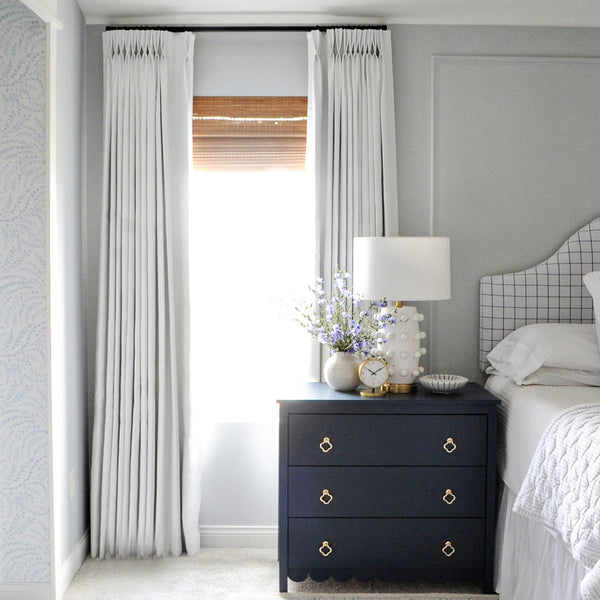
Todd 100% White Blackout Curtains
- ✓ Linen Texture
- ✓ Absolutely 100% Blackout
- ✓ Modern Minimalist Style
- ✓ No-Fuss Folds
- ✓ Machine Wash
From $113.51

Gary Linen Look 100% Blackout Curtains
- ✓ Dual-sided linen texture
- ✓ Physical blackout technology
- ✓ Non-toxic materials
- ✓ Sound dampening properties
From $75.14
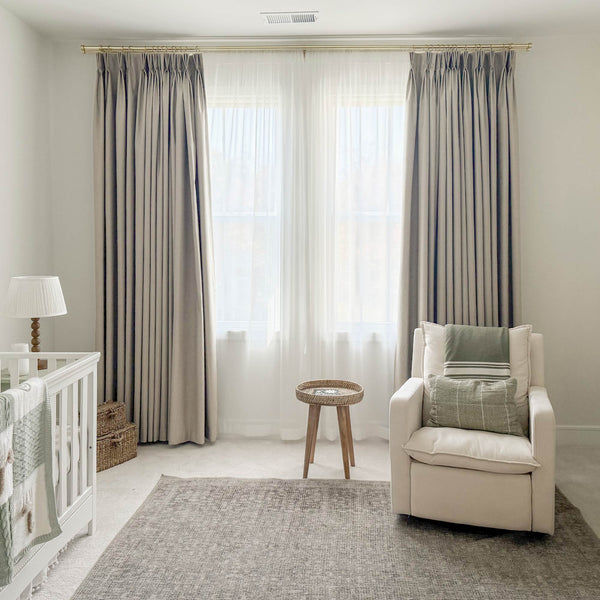
Urban 100% Blackout Narrow Herringbone Curtains
- ✓ Superior Light-Blocking Ability
- ✓ Versatile solid color style
- ✓ Neat Pleat
- ✓ Easy Clean
From $116.85
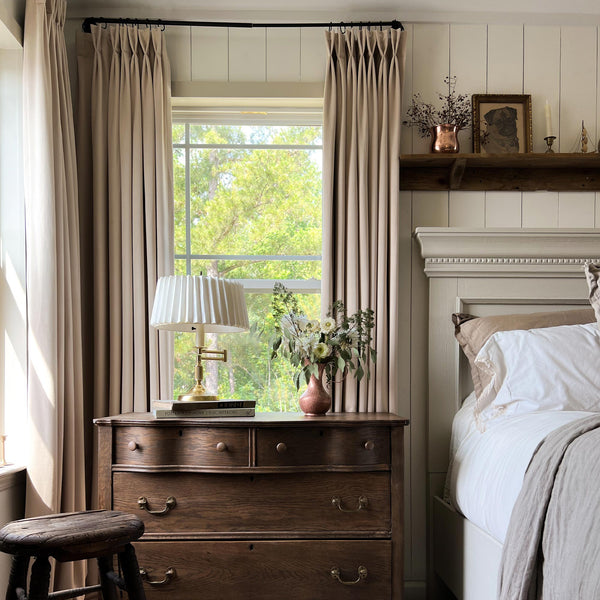
Elma Soft Blackout Velvet Curtains
- ✓ Smooth Drape
- ✓ High Quality Fabric
- ✓ Room Darkening
- ✓ Heavy Weight (420 GSM)
- ✓ Thermal Insulation
- ✓ Easy Care
From $108.53
Nursery Room Light Management Checklist

Essential Steps for Perfect Nursery Blackout
-
Choose Pinch Pleat Style
Select Pinch Pleat style curtains to minimize light leakage at the top. This style creates deeper folds that naturally block more light compared to other heading styles.
-
Install Mounting Hardware Properly
Mount your blackout drapes for baby nursery at least 4-6 inches above and 6-10 inches wider than your window frame to minimize light leakage from the sides and top.
-
Consider Layering Options
For daytime naps, combine your 100% blackout baby curtains with sheer curtains to allow filtered light when desired while maintaining the option for complete darkness.
-
Safety First: Choose Cordless Systems
Always select cordless operating systems for baby and child rooms to meet WCMA safety standards and eliminate strangulation hazards.
-
Verify Material Safety Certifications
Ensure your baby sleep blackout curtains have OEKO-TEX® or similar certifications that guarantee they're free from harmful substances and safe for sensitive babies.
Real Parent Feedback
Why Choose Our Blackout Solutions

Physical Blackout Technology

Uncompromising Safety Standards

Custom Precision

Eco-Friendly & Sustainable
Frequently Asked Questions
Choosing the right blackout curtains for your baby's room is an important decision. We've compiled answers to the questions parents ask most often about our 100% blackout products.
What's the difference between physical blackout curtains and chemical-coated ones?
Physical 100% blackout baby curtains use a specially designed opaque layer woven into the fabric to block light, while chemical-coated curtains use acrylic or foam treatments that can off-gas and degrade over time. Our physical blackout technology is safer for babies, maintains its effectiveness after washing, and doesn't contain potentially harmful chemicals that could affect your baby's sensitive respiratory system.
Why are safe blackout curtains for babies necessary in nurseries?
Safe blackout curtains for babies are essential because they help regulate melatonin production, which is crucial for establishing healthy sleep patterns. Babies are particularly sensitive to light disruptions, and even small amounts of light can prevent them from falling into deep sleep cycles. Additionally, blackout curtains help maintain consistent nap schedules regardless of outside lighting conditions, and our safe, non-toxic versions ensure no harmful chemicals are near your baby during their most vulnerable developmental stages.
How can I use blackout curtains with sheer curtains in a nursery?
You can layer nursery room blackout drapes with sheer curtains by installing a double rod system. Mount the blackout curtains on the rod closer to the wall and the sheer curtains on the outer rod. This allows you to use the sheer curtains alone during playtime for filtered light, while easily closing the blackout layer for naps and bedtime. For optimal functionality, ensure your blackout layer extends beyond the window frame on all sides to prevent light leakage.
How do I measure for 100% blackout baby curtains?
For complete light blocking, measure the width of your window and add 6-10 inches to allow the curtains to extend beyond the window frame. For height, measure from your desired mounting position (ideally 4-6 inches above the window) to either the windowsill, below the windowsill, or to the floor depending on your preference. Our 100% blackout baby curtains are custom-made to your exact measurements to ensure perfect coverage and maximum light blocking.
Explore Related Nursery Solutions

Four Things You Need to Know About Blackout Curtains
New to blackout curtains for your nursery? Start here. This essential guide covers the four most important factors every parent should understand before choosing blackout window treatments—from light-blocking technology to safety features. Perfect for first-time parents creating their baby's sleep sanctuary.

Room Darkening Curtains Vs. Blackout Curtains: What’s the Difference?
Unsure whether to choose room darkening or 100% blackout curtains for your nursery? This guide compares light-blocking performance to help you decide. Discover why pediatric sleep specialists recommend true blackout solutions for newborns and infants.

Custom Blackout Curtains: Your Sanctuary of Comfort and Style
Who says functional has to be boring? Discover how custom blackout curtains can transform your nursery into a stylish sleep haven that grows with your child. Explore design options, fabric choices, and customization features that deliver both complete darkness and beautiful aesthetics for your baby's room.


