


Sliding Glass Door Curtains: Sizing, Track Options & No-Gap Coverage Guide
Sliding glass doors demand more than standard curtains — they need precise sizing, the right track system, and full edge-to-edge coverage. A panel that's 2 inches too narrow leaves a glaring light gap every morning.
Curtarra's linen and linen-blend curtains are made to your exact measurements. Whether you're covering a 6-foot patio door or a 9-foot wall of glass, we'll cut every panel to fit — no raw edges, no light leaks, no returns.

Why Standard Curtains Fail on Sliding Glass Doors
Sliding glass doors are one of the hardest windows to dress correctly. The opening is wide, the track placement varies, and most ready-made panels are built for standard windows — not 6- to 12-foot door spans. The result: light gaps, drafts, and curtains that stack in front of the glass instead of beside it.
- •Wrong Width: Most store panels are 52 inches wide. A standard sliding door is 72–96 inches. Two narrow panels leave a center gap and block the door when stacked.
- •Incorrect Length: Sliding doors sit flush with the floor. Panels that are even 1 inch short let in light and look unfinished. Panels that are too long drag and catch on the door track.
- •Poor Track Compatibility: Bypass track, ceiling-mount track, and tension rod systems all require different header styles. One-size hardware rarely works for sliding door applications.
- •No Side Return: Without a wall return or extended rod, light bleeds around both outer edges — defeating the purpose of hanging curtains at all.
Made-to-Measure Coverage for Every Sliding Door
Curtarra builds every panel to your submitted dimensions — width and drop — so your sliding door curtains cover the full opening and stack neatly to the side without blocking the door. Pair any fabric with the right header style for your chosen track, and you get clean coverage from ceiling to floor with zero guesswork.
- •Custom Width & Length: Submit your door measurements at checkout. We cut every panel to your specs — no standard sizes, no trimming required on your end.
- •Stack-Friendly Sizing: We calculate the right fullness ratio so panels stack completely off the glass when the door is open, keeping your view clear.
- •Easy-Glide Header Options: Grommet and ring-top headers are the top pick for daily use — their large rings slide smoothly along the rod. Pinch pleat and ripple-fold pair beautifully with a ceiling track for a more tailored look.
- •Floor-to-Ceiling Option: Order ceiling-mount panels to visually enlarge the door opening and close the light gap above the panel.
Curtains Made for Sliding Glass Doors
Every panel below is available in custom widths and lengths — just enter your door measurements at checkout. From lightweight semi-sheers that keep your patio view bright to 450 GSM herringbone panels that anchor a large glass wall, each fabric is chosen for how it performs on wide openings: smooth glide, structured stack, and consistent coverage edge to edge.
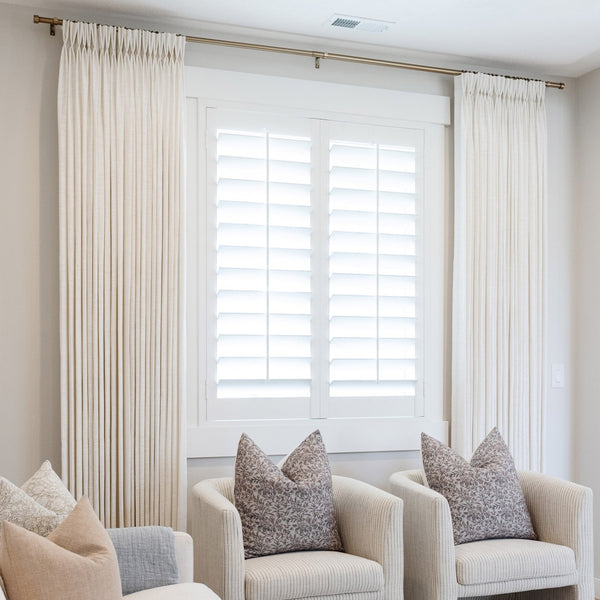
Lesley Linen Blend Curtains
From $120.47
Custom sizes available
- Linen-like texture in both look and feel
- 339 GSM medium-weight drape
- 35–45% light filtering — ideal for living areas
- 8% linen, 92% polyester blend
- Rigorous composition testing for consistency
- Smooth slide on bypass and ceiling tracks

Harris Linen Herringbone Curtains
From $135.81
Tailored to your window
- Distinctive herringbone texture pattern
- 450 GSM heavyweight — excellent drape for tall doors
- 40–50% light filtering with structured coverage
- 25% linen, 25% viscose, 50% polyester
- Durable, low-maintenance fabric blend
- Reduced environmental impact through responsible sourcing

Sabrina Heavyweight Linen Curtains
From $109.76
Made-to-Measure
- 30% natural linen sourced with sustainability in mind
- 385 GSM weight holds shape on wide door spans
- 40–50% light blocking — dims without full blackout
- Linen texture pattern with organic visual warmth
- Greener lifestyle choice for conscious homes
- Holds structured pleat on floor-to-ceiling drops

Sandra Cotton Linen Semi Sheer Curtains
From $55.70
Tailored to your window
- 15–20% light shading — bright, natural ambiance
- Cross-grain cotton linen texture for fresh visual effect
- 170 GSM lightweight — floats smoothly on tracks
- 5% linen, 5% cotton, 90% polyester
- Durable and easy to care for
- Perfect layer under heavier panels for day-to-night versatility
How to Size & Hang Curtains on a Sliding Glass Door
Getting sliding glass door curtains to look right and function properly comes down to four decisions: the right measurement method, the right track system, the correct panel width, and the correct drop length. Follow these steps before you order and you'll avoid the most common mistakes — panels that block the door, gaps at the sides, and curtains that puddle on the track.
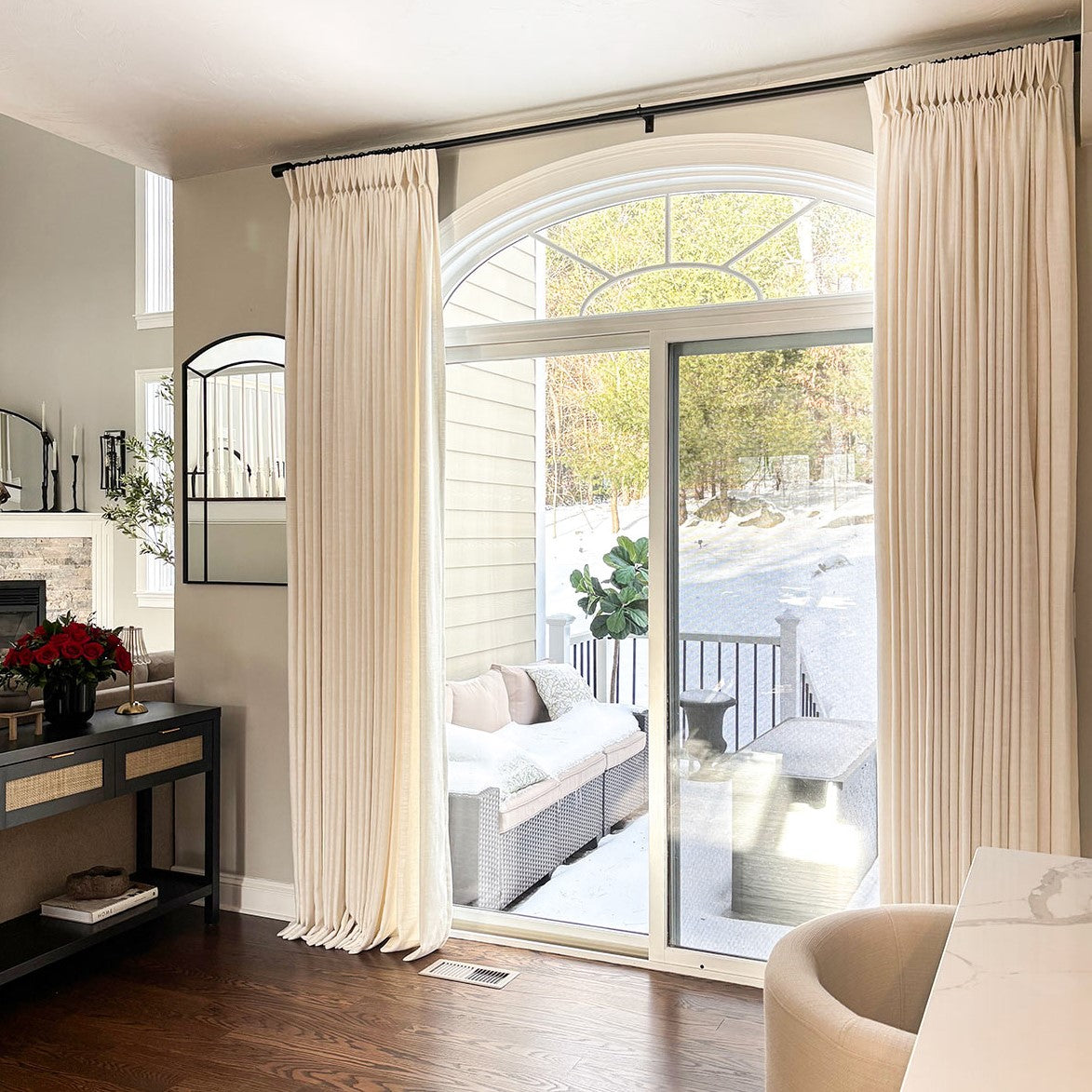
Sliding Door Sizing Checklist
-
1
Measure Your Width
If you already have a rod installed, simply measure it end to end (excluding finials) — that's your target width. If you're installing new hardware, measure your door frame's width and add 10–15 inches of stack back on each side. This extra space lets your panels stack fully off the glass when open, so they never block the door. Example: a standard 80-inch sliding door typically needs a 100–110 inch rod.
-
2
Calculate Panel Width for Fullness
For a full, professionally-pleated look, your total curtain width should be about twice the length of your rod — the industry-standard 2x fullness rule. An 80-inch rod calls for roughly 160 inches of total fabric (e.g., two 80-inch panels). Undersizing is the most common mistake — when in doubt, round up.
-
3
Measure the Length — and Use a "Float," Not a Puddle
Measure from the bottom of your rod down to where you want the panel to end. For a sliding door specifically, hang the curtain so it floats ½ to 1 inch above the floor. This keeps hems clean, avoids dragging in the door's floor track, and lets you open and close the panel effortlessly every day. Skip the puddle look here — it looks nice on a stationary window, but on a door you use daily it's a tripping hazard and a maintenance headache.
-
4
Choose an Easy-Glide Header
Since you'll be opening and closing these curtains constantly, pick a header built for motion. Grommet and ring-top headers are the best fit for sliding doors — the large rings glide smoothly along the rod with minimal effort. Pinch pleat and ripple-fold on a proper track are also excellent (and give a more tailored look), while rod pocket and tab-top styles are better reserved for a stationary side panel that won't be pulled daily.
Real Results from Sliding Door Installs
Our customers cover everything from standard 72-inch patio doors to full glass walls. Read how they solved sizing, track, and coverage challenges with Curtarra's made-to-measure linen panels — and what they'd do differently if they were starting over.
“I have a 96-inch sliding patio door and could never find panels wide enough at retail stores. Curtarra let me enter my exact measurements and the Harris herringbone panels came out perfect — they stack completely to the side when the door is open and cover every inch of glass when closed. The 450 GSM weight means they hang dead straight with zero bunching. Absolutely worth the custom order.”
Michael R.
San Diego, CA
Harris Linen Herringbone Curtains · May 2025
“The Sabrina curtains on my living room sliding door are exactly what I was looking for — heavy enough to block afternoon glare but not so dark that the room feels closed off. I ordered them on a ceiling-mount track and the floor-to-ceiling drop makes the whole wall look so much taller. The installation guide on their site was the most useful thing I found during the whole process.”
Amanda L.
Portland, OR
Sabrina Heavyweight Linen Curtains · June 2025
“I layered the Sandra semi-sheer panels under the Lesley panels on my bedroom sliding door. During the day the sheers let in diffused light while the door stays open. At night I close both layers and there's no gap at all. Curtarra's custom sizing made both sets match perfectly — same drop, same header style. Highly recommend this layered approach for anyone with a glass door in the bedroom.”
Patricia W.
Austin, TX
Sandra Semi Sheer + Lesley Linen Blend Curtains · July 2025
Why Curtarra for Sliding Glass Door Curtains
Sliding glass doors have more variables than any other window type: extreme widths, track compatibility, full-height drops, and the need to stack completely clear of the door opening. Every Curtarra process — from custom cutting to header construction to our Size Insurance — is built to solve exactly these challenges.

True Custom Sizing for Wide Openings
Sliding glass doors range from 60 to 144 inches wide — far outside the range of any standard panel. Curtarra cuts every order to your submitted width and drop, so panels cover the full opening and stack cleanly to the side. No hemming, no stacking in front of the glass, no returns for wrong size.

Header Styles Matched to Your Hardware
Our linen and linen-blend panels are available in pinch pleat, ripple-fold, and eyelet (grommet) headers for track or rod systems — grommet is the top choice for a door you open daily — plus rod pocket and tab-top for a stationary side panel. Each style is stitched to professional workroom standards and tested on real sliding-door hardware before production.

Size Insurance Guarantee
Measured wrong or changed your track system after ordering? Our Size Insurance program covers you: if your panels don't fit after delivery, we offer 50% off a replacement set within 30 days. Sliding door measurements are tricky — we built this guarantee specifically because we know customers sometimes need a second attempt to nail the sizing.

No-Fuss Folds on Wide Panels
Wide sliding door panels are heavier and harder to keep wrinkle-free than standard curtains. Our No-Fuss Folds technology factory-shapes each pleat so panels hang straight and defined from the moment you hang them — no steaming a 90-inch-wide panel, no wrestling heavy linen into shape. The pleats stay crisp through repeated opening and closing of the door.
FAQ: Sliding Glass Door Curtains
The most common questions about sizing, track systems, and getting gap-free coverage on sliding glass doors — answered by our window treatment specialists.
How wide should curtains be for a sliding glass door?
What is the best curtain track for a sliding glass door?
Can I use linen curtains on a sliding glass door without gaps?
What fabric weight is best for sliding glass door curtains?
More Resources for Sliding Door Coverage
Dive deeper into measuring, hardware selection, and fabric choices for sliding glass doors with these expert guides from the Curtarra team.
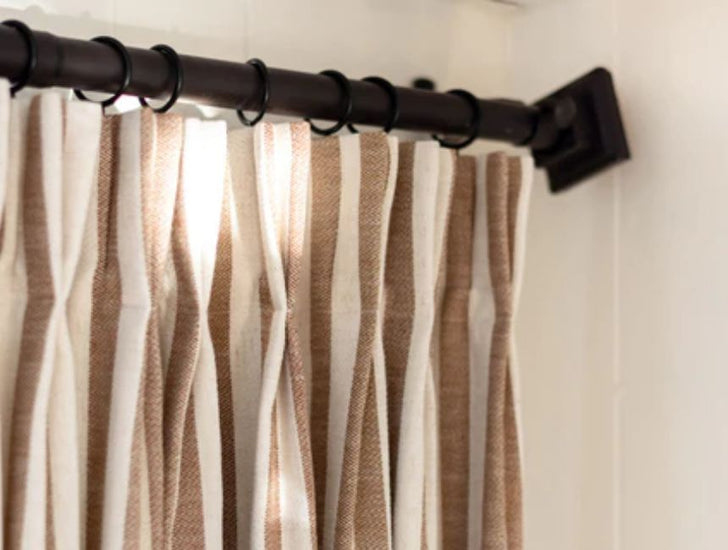
How to Measure Curtain Rods: A 4-Step Guide to Getting the Perfect Fit
Measuring for a curtain rod is one of those tasks that looks simple until your curtains are blocking half the window or bunching against the wall. The good news: once you know the four numbers that matter, you'll get it right every time. Here's exactly how to measure curtain rods — width, height, stackback, and projection — before you buy or order anything.
Read Guide
How To Measure For Shades?
Accurate measurements are essential when ordering shades to ensure a perfect fit and optimal functionality. The two primary mounting options are inside mount and outside mount, each with distinct advantages.
Read Guide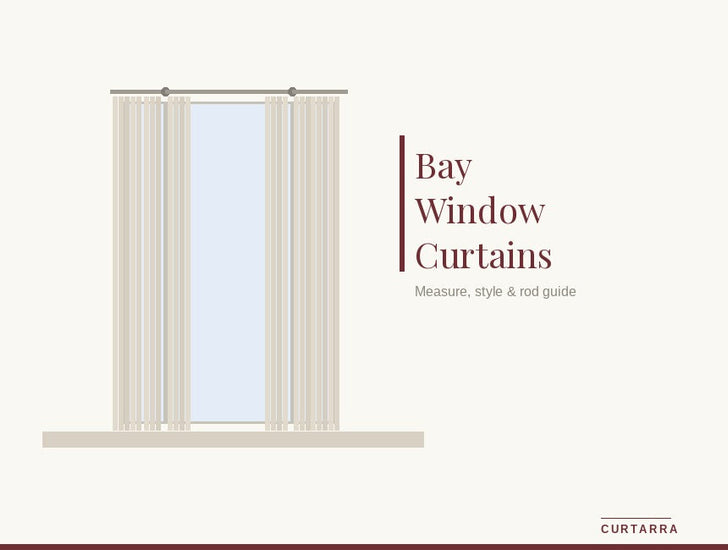
Bay Window Curtains: How to Measure, Style, and Choose the Right Rod Setup
Bay windows are one of the best architectural features a room can have — more light, more depth, more character. They're also one of the hardest windows to dress. Standard curtain sizes don't fit, standard rods don't bend, and the angles make measuring tricky. This guide covers how to get bay window curtains right: measuring each section, choosing a rod system that actually works, and picking fabrics that suit the shape.
Read Guide


