


How to Choose Roller Shade Opacity: Blackout, Light Filtering, or Solar?
Not sure whether to block all light, filter it softly, or keep your view? The right roller shade depends on how each room actually gets used — not just how it looks in a photo.
This guide breaks down the real differences between 100% blackout, 60% light filtering, and solar roller shades — covering privacy, glare control, atmosphere, and view-through — so you can match the right opacity to every window in your home.

Why Choosing the Wrong Roller Shade Opacity Ruins a Room
Walk into any big-box store and every shade claims to be 'blackout' or 'light filtering' — with no clear explanation of what that actually means for your bedroom, living room, or home office. The result? You order, install, and discover the room is either a cave or a greenhouse. Understanding the real spectrum — 100% blackout, 60% light filtering, and solar openness factors — is the only way to get it right the first time.
- •The Opacity Guessing Game: Labels like 'room darkening' and 'light filtering' cover a huge range. Without knowing the actual light-blocking percentage, you're gambling on whether you'll wake up at 6 a.m. or sleep through your alarm.
- •Privacy vs. View Trade-Off: Solar shades let you see out while blocking glare — but that same openness means neighbors can see in at night. Light filtering shades diffuse light beautifully but offer daytime privacy only. Blackout shades give total privacy but eliminate the view entirely.
- •Wrong Shade for the Wrong Room: A 100% blackout shade in a living room feels oppressive. A solar shade in a toddler's bedroom means nap time never comes. The cost of choosing wrong isn't just aesthetic — it disrupts sleep, comfort, and daily routines.
A Clear Framework: Match Each Opacity to Each Room's Actual Needs
Curtarra offers three distinct opacity levels across our custom roller shade collections — each engineered for a specific light-control job. Instead of vague marketing terms, we give you exact specs: 100% blackout, 60% light filtering, and solar openness percentages (1%, 3%, 5%) so you know precisely what you're ordering before it ships.
- •100% Blackout for Total Darkness: The Derick collection physically blocks every photon — ideal for bedrooms, nurseries, media rooms, and anywhere sleep or screen quality matters most.
- •Soft Diffusion for Living Spaces: Lillian and Piper filter 60% of light, turning harsh direct sun into warm, even ambient light — perfect for living rooms, dining areas, and home offices where you want brightness without glare.
- •View-Through Solar for Connected Spaces: Leo Solar Shades use an open weave (1%–5% openness) to cut UV and heat while preserving your outdoor view — the go-to choice for kitchens, sunrooms, and any window where the scenery is half the point.
The Right Opacity for Every Room — All Made to Measure
Every window has a different job. Our four roller shade collections cover the full spectrum — from total blackout to open-weave solar — so you can assign the right light-control level to every room in your home. Each shade is cut to your exact window dimensions and available in cordless or motorized operation.
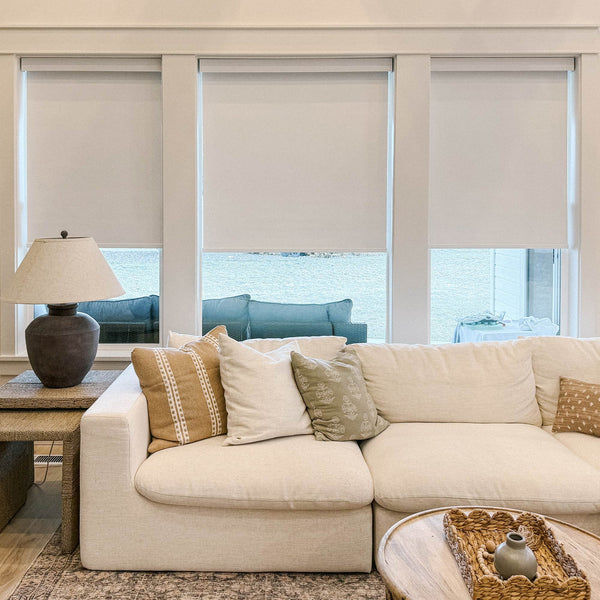
Derick Linen Look 100% Blackout Roller Shades
From $145.83
Made-to-Measure
- Physically blocks 100% of light — zero bleed
- Linen-look texture adds warmth without sacrificing darkness
- 320 GSM heavyweight fabric for structured drape
- Cordless or motorized operation available
- Made-to-measure for a precise, gap-free fit
- Ideal for bedrooms, nurseries, and media rooms

Lillian Linen Texture Light Filtering Roller Shades
From $158.40
Custom sizes available
- Filters 60% of light for soft, even ambient glow
- Linen texture diffuses harsh direct sunlight beautifully
- 210 GSM fabric weight for a relaxed, elegant drape
- Balances daytime privacy with natural brightness
- Cordless or motorized lift options
- Perfect for living rooms, dining areas, and offices

Piper Linen Texture Custom Roller Shades
From $144.45
Tailored to your window
- 60% light blocking with a lightweight 160 GSM fabric
- Linen texture brings natural, airy aesthetics
- Filters glare while maintaining comfortable brightness
- Privacy protection during daylight hours
- Cordless or motorized options for easy operation
- Versatile fit for bedrooms, living spaces, and offices
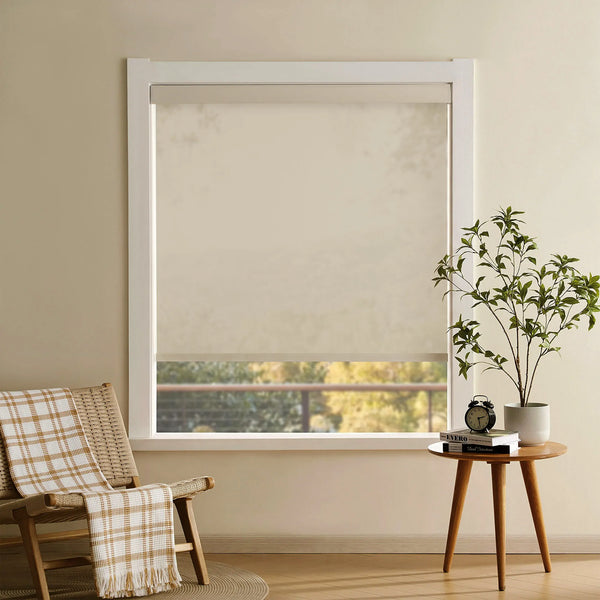
Leo Custom Weave Solar Shades
From $138.88
Made-to-Measure
- Preserves outdoor view while cutting glare and UV
- Three openness factors: 5%, 3%, 1% for tunable opacity
- Blocks 60%–80% of light depending on openness chosen
- UV-blocking and heat-reducing for energy efficiency
- NFPA 701 flame-retardant certified fabric
- Cordless or whisper-quiet motorized operation
How to Choose the Right Opacity Level for Each Room
Picking the correct light-blocking level isn't just about aesthetics — it directly affects sleep quality, daytime comfort, privacy, and energy efficiency. Follow these four steps to match the right shade to every window before you measure and order.

Opacity Selection Checklist
-
1
Map Each Room's Light-Control Priority First
Before ordering, write down what each room actually needs: Is sleep quality the priority? (→ blackout) Do you want daylight without glare? (→ light filtering) Is preserving a view or view-through important? (→ solar) Mismatched priorities are the #1 reason shoppers return shades. A bedroom and a sunroom need completely different opacity levels even if they face the same direction.
-
2
Understand That 'Light Filtering' ≠ Privacy at Night
Light filtering and solar shades provide excellent daytime privacy because interior light is dimmer than outdoor light. After dark, the equation reverses — interior lighting makes you visible from outside. If nighttime privacy matters (street-facing bedrooms, ground-floor rooms), choose a higher opacity: 60% light filtering for low-visibility, or 100% blackout for complete privacy around the clock.
-
3
For Solar Shades: Pick the Right Openness Factor
Solar shades are defined by their openness factor — the percentage of open weave in the fabric. A 5% openness lets in more light and offers a more open view; 1% blocks more light and UV while making the view slightly darker. As a rule of thumb: 5% works well for rooms with indirect sun or where a brighter, airier feel is preferred; 1%–3% suits west- or south-facing windows with intense afternoon sun. Leo Solar Shades offer all three options.
-
4
Measure for Inside vs. Outside Mount to Seal Light Gaps
For maximum light control — especially with blackout shades — outside mount is recommended. Mount the bracket 2–4 inches above the window frame and extend 2–3 inches beyond each side. This overlapping coverage eliminates the edge-glow that undermines blackout performance. For light filtering and solar shades, inside mount works well and gives a cleaner built-in appearance since total edge sealing is less critical.
Real Customers, Real Rooms — Every Opacity Level
Our customers span every light-control need — from shift workers chasing total blackout to homeowners who just want softer afternoon light. These reviews reflect real installation outcomes across different room types and opacity levels, so you can see how each shade performs in a home just like yours.
“I ordered the Derick blackout shades for our master bedroom and Leo solar shades for the kitchen — completely different jobs, same great quality. The bedroom is pitch black even at 7 a.m. in summer, and the kitchen still feels open and bright while the glare on our countertops is totally gone. Having a guide that explained the difference saved me from making a very expensive mistake.”
Rachel P.
Denver, CO
Derick Blackout + Leo Solar Shades · May 2025
“The Lillian light filtering shades in our living room are exactly what I was hoping for — the room still feels bright and airy, but the harsh afternoon sun that used to bleach our furniture is completely gone. I was worried light filtering would make it feel dim, but it just softens everything beautifully. The linen texture looks so much more expensive than the price.”
Marcus T.
Austin, TX
Lillian Light Filtering Roller Shades · June 2025
“We put the Leo solar shades in our sunroom facing the backyard and the view is still completely there — you'd barely know there's a shade on the window until you realize the glare is gone and the room is actually cool. We went with 3% openness and it's the perfect balance. Curtarra's guide explaining openness factors was the only reason I understood what I was ordering.”
Jennifer L.
San Diego, CA
Leo Solar Shades (3% Openness) · July 2025
The Curtarra Difference: Clarity, Precision, and Confidence
Buying roller shades online is only risk-free when the specs are honest and the fit is guaranteed. We publish exact light-blocking data, build every shade to your dimensions, and back every order with our Size Insurance program — so you can choose the right opacity with total confidence.

Verified Light-Blocking Specs on Every Shade
We publish exact light-blocking percentages and openness factors — not vague tier names. Derick is tested at 100% blockout, Lillian and Piper at 60%, and Leo is available in 1%, 3%, and 5% openness so you know precisely what you're ordering. No surprises after installation.

Custom Made-to-Measure for Every Window
Every shade — blackout, light filtering, and solar — is cut to your exact width and length. No standard sizes to compromise around, no side gaps from ill-fitting stock shades. You enter your measurements; we build to them. Precise fit is especially critical for blackout shades, where even a small gap defeats the purpose.

Size Insurance Guarantee
Ordered the wrong opacity or the measurements came out slightly off? Our Size Insurance program covers you. Get 50% off a replacement shade within 30 days of delivery — so you can order with confidence even if you've never bought custom window treatments before.

Cordless & Motorized on Every Collection
Whether you choose 100% blackout, light filtering, or solar, every Curtarra roller shade collection is available in both cordless lift and whisper-quiet motorized operation. Motorized shades let you adjust light levels room by room without leaving the couch — especially useful for solar shades where small changes in position meaningfully shift glare and view.
FAQ: Roller Shade Opacity Levels Explained
Still unsure which light-blocking level is right for your space? These are the questions our customers ask most before ordering. If your question isn't answered here, our team is available to help you match the right shade to every window in your home.
What is the actual difference between blackout, light filtering, and solar roller shades?
Which opacity level is right for a bedroom?
Do solar shades provide privacy?
What does openness factor mean on Leo Solar Shades?
Go Deeper: More Light Control Resources
Choosing the right opacity is just the first step. These guides cover measuring, mounting, and comparing shade types so you can order with complete confidence and get the result you're picturing.

Roller Blinds vs. Roller Shades: What's the Difference?
Shopping for window coverings and can't tell "roller blinds" from "roller shades"? Here's the short version: they're the same product, just different names. The longer, more useful question is how a roller shade compares to a traditional slatted blind, because that's a real choice with real trade-offs. This guide settles both.
Read Guide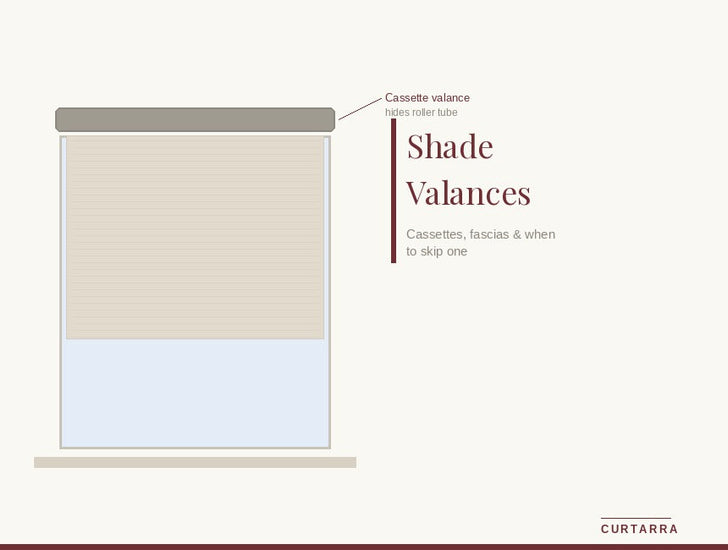
Shade Valances: What They are, Which Type You Need, and When to Skip One
A shade valance is the cover piece that sits across the top of a window shade, hiding the headrail, brackets, and rolling mechanism behind it. It's a small detail, but it's the difference between a shade that looks finished and one that looks like you can see the hardware. Not every shade needs one — some have them built in, and some look fine without. Here's how shade valances work across every shade type and when they're actually worth adding.
Read Guide
Do Solar Shades Keep a Room Cool? How They Block Heat
If a sunny room turns into a furnace every afternoon, you've probably wondered whether solar shades can help, without turning the room into a cave. The short version: yes, they reduce heat, and they're one of the few options that do it while keeping your view. But how much they help depends on a few choices, and it's worth understanding the honest limits too.
Read Guide


